PDF Print E-mail

Cool Season Vegetables

Lettuceandcold_crops_PCOJen

This refers to WHEN a vegetable can be planted for it to develop properly.  The first window of opportunity for cool season vegetables is generally from mid-April to mid-May, depending on the vegetable and your elevation.  Remember to acclimate (harden off) your plants prior to planting.  Many cool season vegetables can be re-planted toward the end of summer to develop during the milder temperatures of Fall.   Look for the types that mature in 65 days or less for secondary plantings.

Tips for Success:  Our growing season is relatively short.   To give you the best chance for a heathly harvest, we offer short-season vegetable varieties. For more detailed planting information, see Phelan Gardens vegetable planting guideline.  

Rich loose soil is also a must for successful vegetable gardens.  You can amend each year with bagged compost OR you can make your own.   View our step by step  guide for starting your own compost pile.

Give your vegetables a sunny spot, consistent water, and fertilizer and you will be on your way to fresh vegetables from your own backyard. 


Asparagus

asparagus_pcojen

Asparagus is a perennial vegetable that can be long lived. An established asparagus plant can produce for 10+ years! We offer one year old asparagus crowns in mid-March. See our planting information for asparagus.

Varieties:
Jersey


Broccoli

broccoli_pcojen

Using transplants is the most reliable method of growing broccoli. For the largest heads, plant them 24" apart. Our varieties offer a cental head followed by secondary side shoots for later harvest.

Varieties:
Packman
Premium Crop


Brussels Sprouts

brusselssproutsweb_pcojen2

Brussels Sprouts produce well here but will take some time to mature. Plant in spring and harvest in fall. As sprouts begin to form, remove lower leaves. Pinch out the center growing point at the top of the plant around mid-September to help speed up the development of the sprouts at the top of the plant. Harvest from the bottom up as sprouts reach 1" in diameter. As with Kale, sprouts harvested after a mild freeze will have a sweeter taste.


Cabbage

cabbagegreen_pcojen

Cabbage is quick to mature and can be planted in both spring and fall. Plant cabbage in a different location each year to avoid disease. Harvest when heads become firm.

Varieties:
Stonehead
Ruby Perfection
Pacifica
Late Flat Dutch

cabbagered_pcojen

cabbagepacifica_photocourtesysakataviabhc
Cabbage Pacifica
Photo Courtesy Sakata Via BHC


Cauliflower


Another short season vegetable that can be planted in both spring and fall. Each plant will produce one head. We carry a self-blanching type that will fold up and cover the heads to protect from yellowing.

Varieties:
Self Blanch


Collards

collards_pcojen

Collard greens are VERY easy to grow and great for beginners. They withstand the summer heat well. Harvest tender top leaves for the best flavor (adding onion and bacon helps too;-)

Varieties:
Georgia


Garlic

garlic_pcojen

Garlic is best planted in early Fall (late September or early October) for harvest the following season. Come see us during this time period for a good selection of gourmet garlic bulb starts.

garlicchesnokredpurplestipeclose_pcojen

Chesnok Red Purple Stripe


Kale

kale_redrussian_pcojen

Sue Phelan loves her kale for it's nutritional properties! Makes wonderful kale chips (think potato chips from kale) and works well in soup recipes. Plant 8"-12" apart. Clip the leaves and leave the plant to produce more. A light frost in Fall helps sweeten the flavor.

Varieties:
Lacinato (Dynasaur) (below)
Red Russian (left)

kalegreenlacinato_pcojen2


Kohlrabi

kohlrabigreenlr_pcojen

These cool weather plants are shallow rooted so make sure you keep the soil moist to avoid damage from drought. Eat the bulb portion raw or steamed with butter. We offer white and purple varieties.

Variety:
Early Vienna White


Leeks

leeks2_pcojen


Leeks take a long time to mature from seed. So, we offer plant starts in March. Place in 6" deep furrows. Space 4" apart. Fill in the furrows as plants grow to blanch the leek stalks. Harvest when stalks are about 1" in diameter. Leeks provide a wonderfully mild onion flavor.

Varieties:
Lancelot

leeklancelotstarts_pcojen


Lettuce


lettucegarden_pcojen

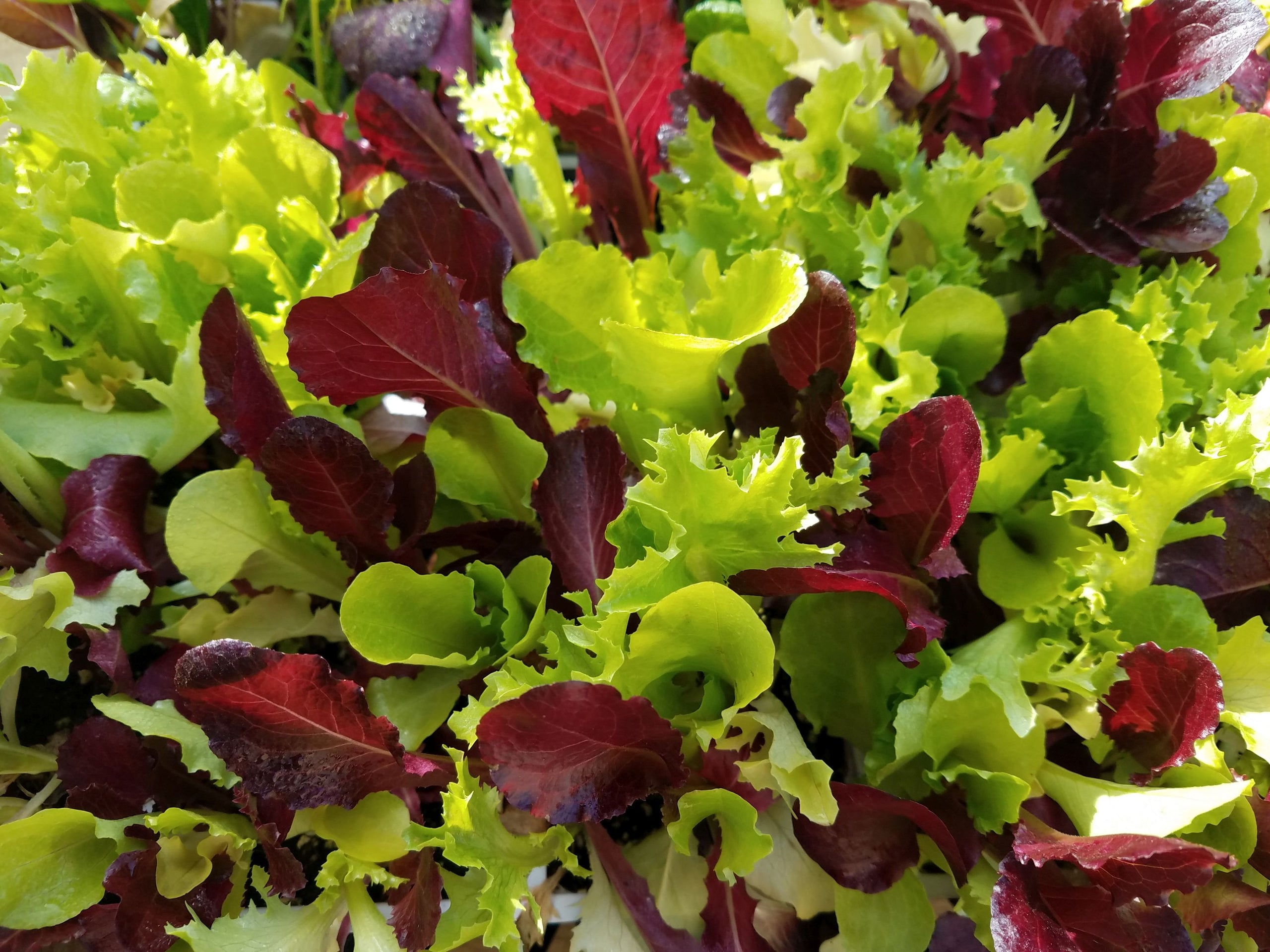
Lettuce is quick to grow. So, you can plant in both Spring and Fall. However, it does not do well in the heat of the summer. Easily grown from both seed or plant starts. Most varieties we sell are leaf types (as opposed to head types). So, you can pick some leaves for your salad bowl and let the plant continue to grow more for a continuous harvest.

lettuce_pcojenVarieties:

Bistro Salad Mix
Buttercrunch
Mesclun Blend
Red Sails
Romaine Parris Island
Simpson Elite

lettuceromaineparrisisland_pcojen

 Romaine

lettuceredsails_pcojen

Red Sails


lettucebistrosaladblend_photocourtesyofseminisviabhc

lettucesimpsonelite_photocourtesyofballhorticulturalcompany

lettucemesclunblend_photocourtesygenesisviabhc

Bistro Salad Blend

Photo Courtesy of Seminis via BHC

Simpson Elite

Photo Courtesy Ball Horticultural Company

Mesclun Blend

Photo Courtesy Genesis Via BHC


Onions

onionsyellowredmixed_pcojen

Onions are one of the earliest vegetables you can plant. We offer onion set starts as bulbs (usually available around Mid-March) and onion set starter plants (usually available around late March). See our onion planting instructions.

onionsets3colors_pcojen

Onion starter sets (bulbs) are available in red, yellow, and white.

onionplants_pcojen2

Onion Plant Starts (approximately 50 plants per bundle)

Varieties:
Candy Apple (red)
Red Zeppelin (red)
Walla Walla (yellow)
Candy (yellow)
Copra (yellow)
White Sterling (white)
Super Star (white)


Pea

peaoregonsugarpod_photocourtesyterraorganicsviabhc

Peas may be planted thru mid-May and again in the Fall for a second crop. We offer an edible pod type and a garden pea type (those removed from pods) as plant starts. See our seed depot for many pea choices from seed. If you plant a pea pod type--harvest often to keep the plant producing and you will be rewarded with a crop into late summer from a single planting. If you plant a garden pea type--plant at 10 day intervals for the best harvest. Provide support for vining types.

Varieties:
Sugar Snap
Oregon Sugar Pod

peasclimbclose_pcojen

Oregon Sugar Pod

Photo Courtesy Terra Organics Via BHC


Potatoes

potatoesseed_pcojen

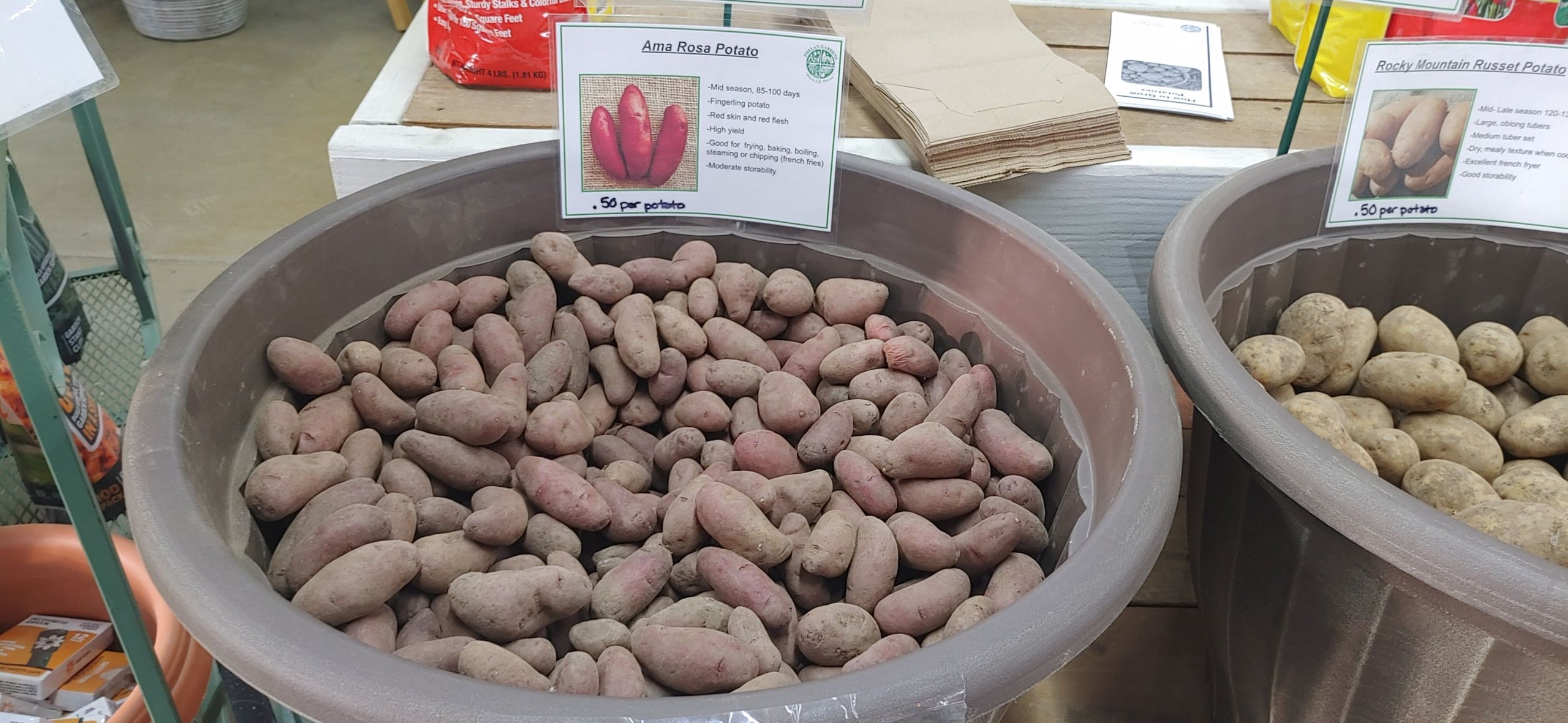
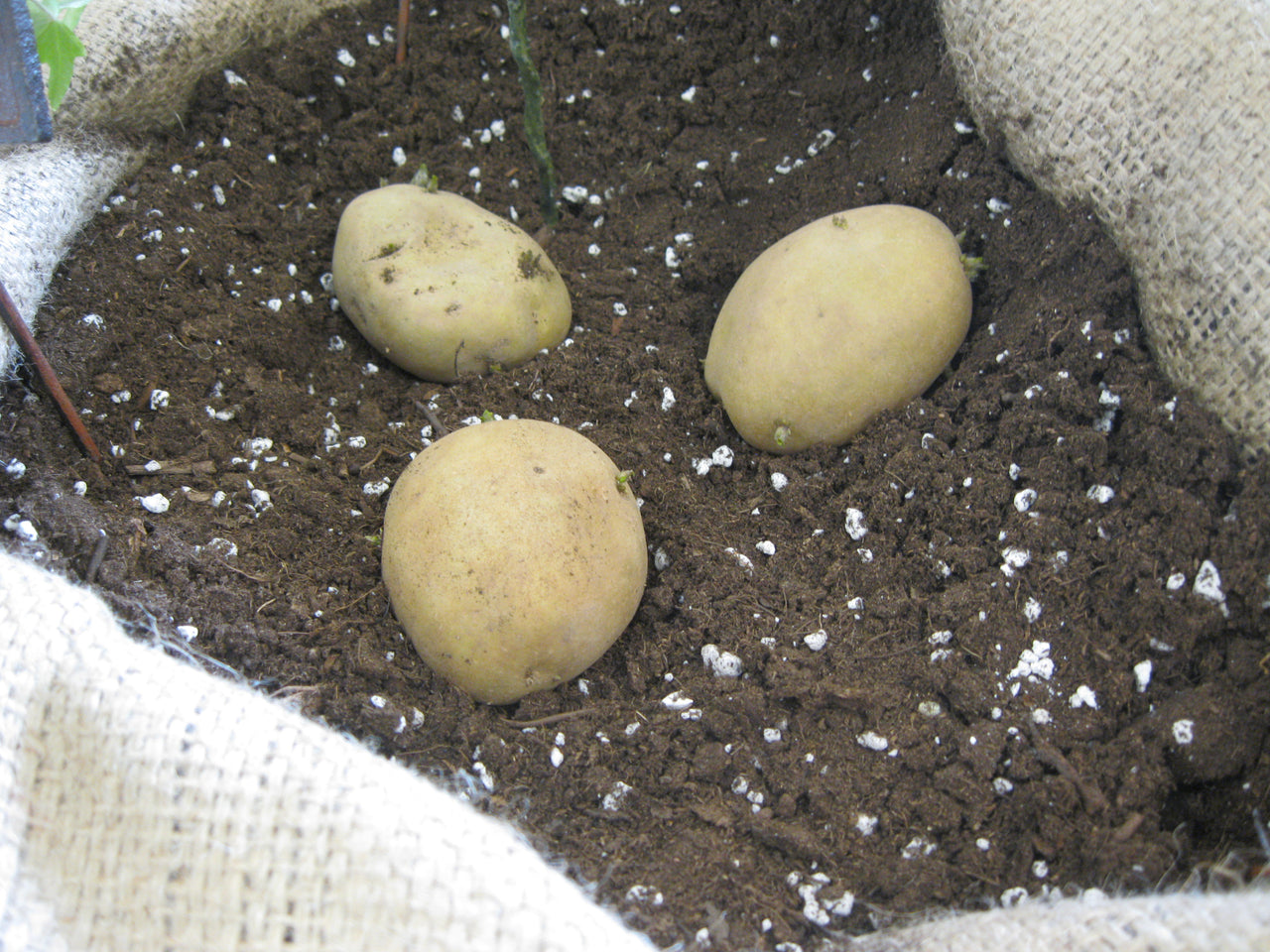
In March and April, we offer certified seed potatoes in red, yellow, and white. Potatoes are both a long season AND cool season crop. They need 4 months or more to produce. So, you should plant between April 1 and April 15 but will have to protect young shoots from freezes. See detailed growing instructions for potatoes.


Shallots

shallots_pcojen

Treat Shallots as you would onions...plant in loose soil about 1" deep (pointy side up)and about 8" apart. Milder than onions, they are popular in gourmet recipes.

Varieties:
Golden Gourmet
Red Sun


Spinach

spinach_pcojen

Another easy crop that can be planted in both Spring and Fall.

Varieties:
Bloomsdale
Tyee... NEW! Mild flavor on heavy, dark green leaves that are thick and glossy.  Upright habit, slow to bolt.  37 days.


spinachtyeelr_pcoballhorticulturalcompany

Tyee

Photo Courtesy Ball Horticultural Company


Swiss Chard


swisschardgreen_pcojen

Chard may be seeded directly into the garden or planted with starts.  It is an easy crop to grow, producing an abundant amount since it can withstand heat from the summer sun.  That tranlates to more greens for you!  Harvest the outer leaves and let the centers grow on.  We offer white stalked varieties and also brightly colored 'rhubarb' types.

Varieties:
Bright Lights
Lucullus (heirloom)

swisschardbrightlights_pcojen

Share this post